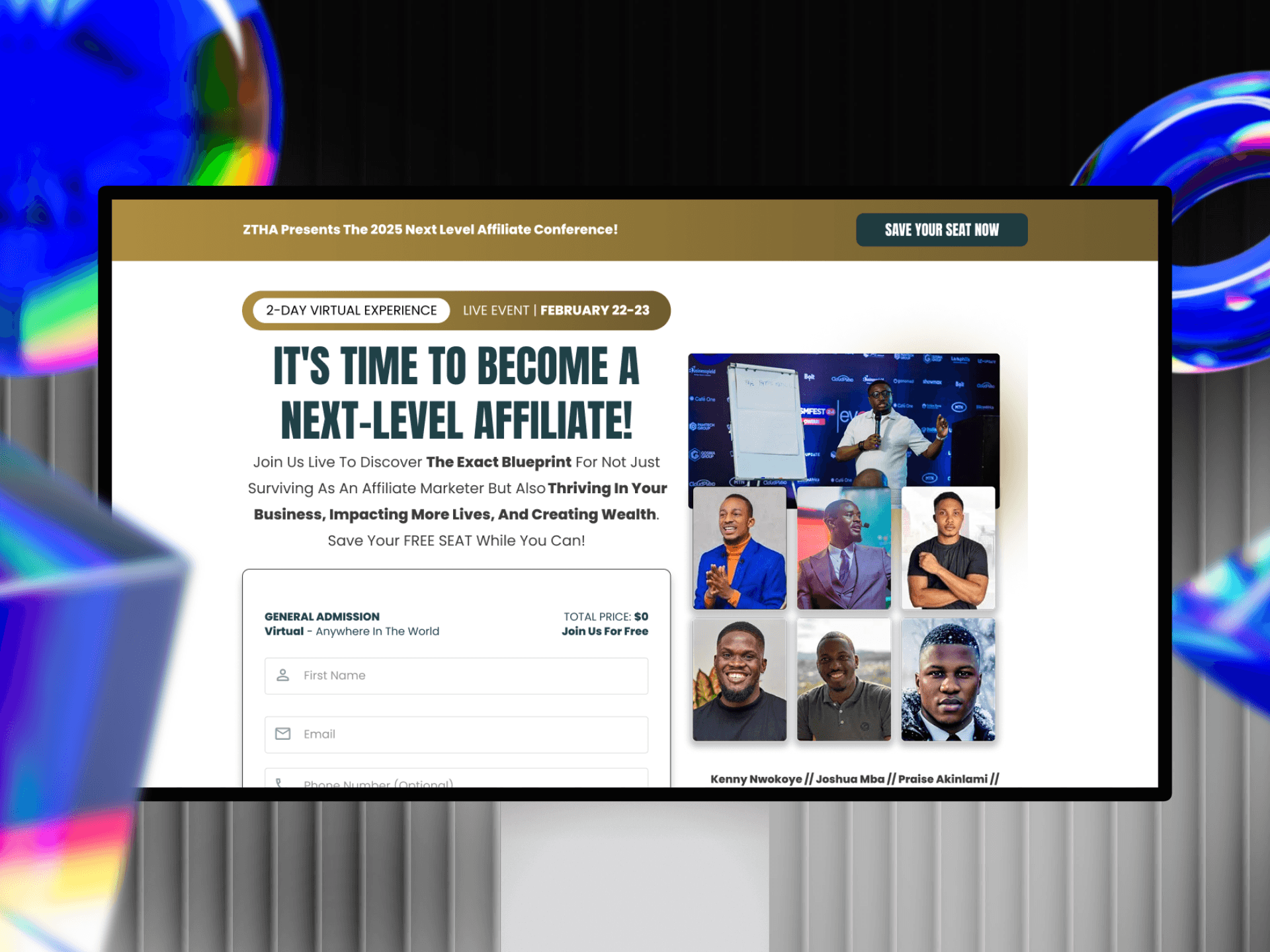
You put in the work. You ran the ads or pushed to your audience, people registered, they showed up, and then when it was time to make the offer, the sales were nowhere near what you expected. If that sounds familiar, you are not alone. It is one of the most common problems coaches and course creators face, and the frustrating part is that it feels like you did everything right. People came. They just did not buy.
Here is what is usually going wrong.
The registration page and the offer are not aligned
This is the most common reason webinars do not convert. The registration page promises one thing, and the offer on the webinar is something slightly different. Maybe the page talked about learning a skill, but the offer is a high-ticket coaching program. Maybe the page attracted beginners, but the offer is for people who are already in the game.
When someone registers for your webinar, they are making a small commitment based on what they expect to get. If the offer at the end does not feel like the natural next step from what they registered for, they will not buy. Not because the offer is bad, but because it does not feel like it belongs in the same conversation.
The follow-up after registration is weak or nonexistent
A lot of people register for webinars and never show up. The number is usually much higher than people expect. Without a strong follow up sequence between registration and the live event, you are leaving a huge portion of your audience behind before the webinar even starts.
The follow-up before the webinar is supposed to do three things. It should remind them that the event is coming, build excitement for what they are about to learn, and start establishing your credibility so they already trust you before you ask them to buy. If you are only sending one reminder email the day before, you are not doing enough.
The webinar itself is not set up to sell
Some webinars are great at teaching but terrible at selling. There is a difference between a webinar that delivers value and one that is structured to move people toward a buying decision. If you dump all your best content into the webinar and leave nothing for people to want to go deeper on, you have made a great training but a poor sales tool. The job of a webinar is to teach enough that people believe the result is possible and see you as the right person to help them get there, not to teach them everything they need to know so they can go and do it themselves.
There is no urgency and no strong reason to buy now
People need a reason to make a decision today rather than thinking about it and coming back later. Most people who say they will think about it never come back. If your offer does not have a clear reason why buying now is better than buying later, a lot of your audience will leave with good intentions and never follow through.
This does not mean fake countdowns and made-up scarcity. It means a genuine reason. A price that increases after the webinar ends. Bonuses that are only available during the live event. Limited spots. Something real that makes acting now the obvious choice.
The follow-up after the webinar is not doing its job
Even with a great webinar, some people will not buy on the day. They are interested, but they had a question, or they needed to check something, or they just needed a little more time. The follow up sequence after the webinar is where a lot of sales happen, and a lot of people either skip it entirely or send one weak email and give up.
A strong post-webinar follow up addresses the common objections, reminds people of the deadline, answers questions, and gives them multiple chances to make a decision. Some of your best buyers will come from this sequence rather than from the live webinar itself.
What to do about it
Start by looking at your numbers. How many people registered versus how many showed up? That gap tells you how strong your pre-webinar follow-up is. Of those who showed up, how many made it to the offer? That tells you how well the webinar is holding attention. Of those who heard the offer, how many bought? That tells you how well the offer and the pitch are landing.
Once you know where the biggest drop-off is, you know where to focus. Most people try to fix everything at once and end up fixing nothing. Find the biggest gap and fix that first.
Follow me to keep in touch
Where I share my growth journey, funnel strategies, and industry thoughts.